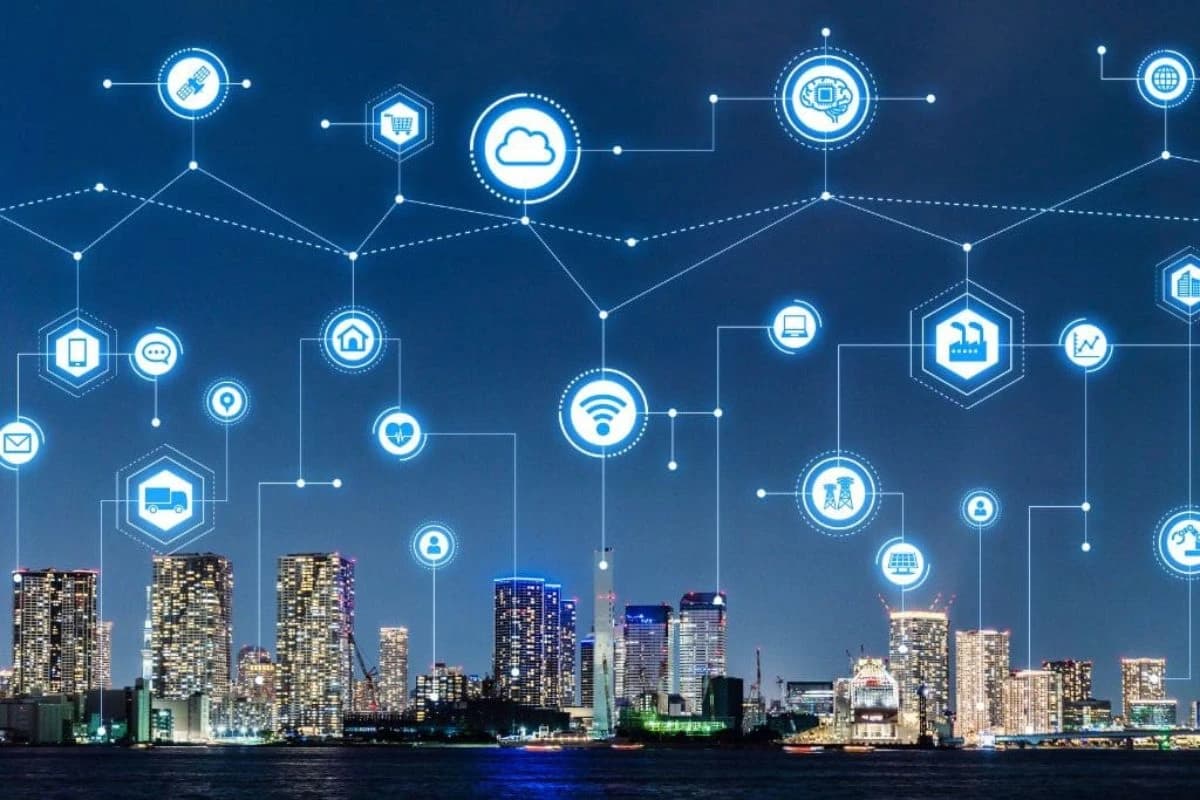
As cities grow smarter, connectivity becomes the backbone of urban innovation. The Internet of Things (IoT) is transforming urban spaces into intelligent, responsive environments, and telecom networks play a critical role in making this possible. High-speed, reliable networks allow cities to collect, analyze, and act on massive amounts of data in real time, creating smarter traffic management, energy-efficient systems, and improved healthcare services. Congested streets and inefficient traffic flow are among the biggest challenges for modern cities.
By connecting traffic signals, vehicles, sensors, and public transport systems, IoT-enabled networks can optimize traffic patterns dynamically. Telecom infrastructure ensures that data from cameras, sensors, and connected vehicles is transmitted instantly, enabling adaptive traffic lights, real-time congestion alerts, and intelligent route planning. This not only reduces commute times but also lowers emissions and enhances overall urban mobility. IoT devices connected via telecom networks are also revolutionizing energy management.
Smart grids, connected meters, and automated control systems allow cities to monitor energy usage, detect anomalies, and optimize power distribution in real time. Residents and businesses can reduce consumption and costs, while utilities gain better insight into network performance. Reliable telecom networks are essential to transmit data continuously and securely between devices, control centers, and energy providers. Telecom connectivity further supports smarter healthcare in cities. Remote patient monitoring, connected medical devices, and telemedicine platforms rely on high-speed, low-latency networks to provide accurate, real-time data. Emergency services benefit from IoT-enabled systems that track incidents, dispatch personnel efficiently, and coordinate resources effectively.
Telecom networks form the nervous system of a city’s healthcare infrastructure, ensuring timely interventions and better outcomes. Without robust telecom networks, IoT devices would be isolated, unable to communicate effectively, and cities would remain reactive rather than proactive. Fiber-optic networks, 5G, and high-capacity wireless technologies ensure the bandwidth, speed, and reliability required for IoT ecosystems.
As urban populations grow and cities become more complex, the integration of IoT and telecom networks is essential for building sustainable, efficient, and livable urban spaces. The future of smart cities depends on the seamless integration of IoT and telecom technologies. From traffic and energy to healthcare and public safety, connected networks enable cities to respond intelligently to real-world challenges. For engineers, urban planners, and service providers, investing in high-speed, resilient networks is not just a technological upgrade—it’s the foundation of the cities of tomorrow.