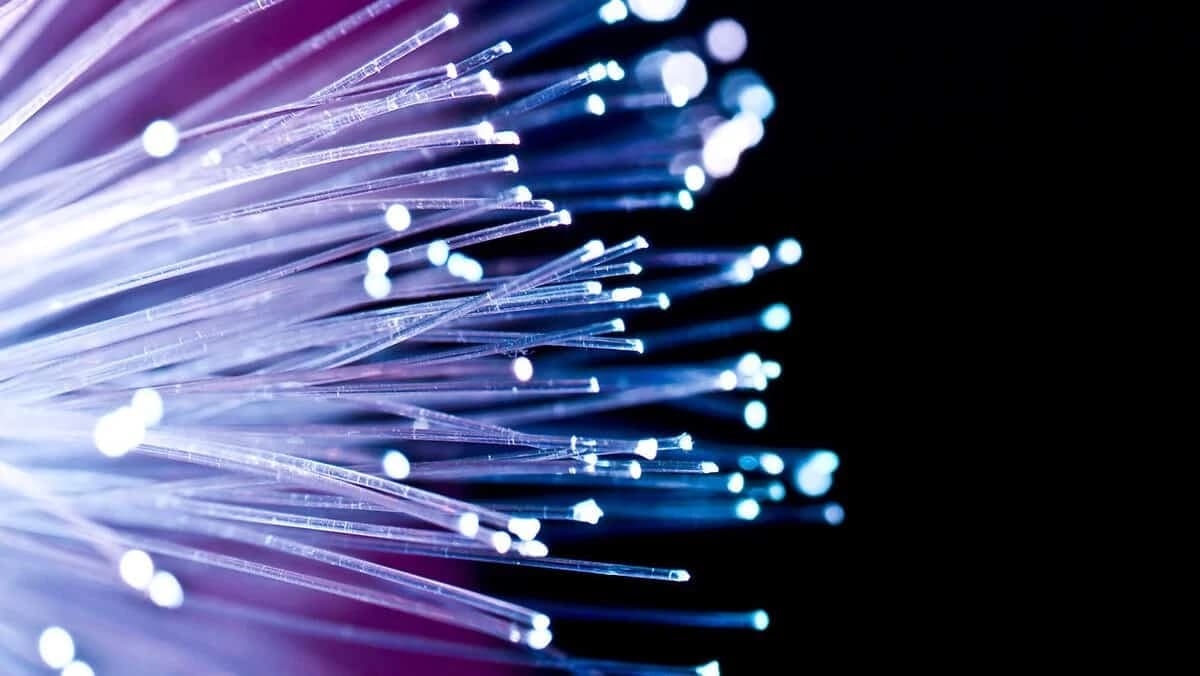
Investing in fiber optic technology is more than just upgrading a network—it’s a strategic decision that delivers long-term benefits in speed, reliability, and cost-efficiency.
Fiber optic cables transmit data as light, providing speeds far higher than traditional copper networks, which ensures seamless video conferencing, fast data transfer, and smooth connectivity for multiple users and devices. This high performance prepares networks for the increasing demands of digital services and growing data consumption without the need for frequent upgrades. While the initial cost of fiber deployment may be higher, its durability and low maintenance requirements make it cost-effective over time.
Fiber cables are less prone to interference, signal loss, or damage from environmental factors, reducing repair costs and network downtime, which increases return on investment compared to older technologies. Fiber networks are also inherently scalable, allowing businesses and cities to add bandwidth or extend coverage without replacing the entire infrastructure, making them future-proof solutions capable of supporting emerging technologies like 5G, IoT, and advanced smart city applications. In addition, fiber optics offer superior reliability and security. They are resistant to electrical interference and extreme weather, ensuring consistent connectivity for critical industries such as healthcare, finance, and education, while making unauthorized access to sensitive data far more difficult than with traditional copper lines.
As digital ecosystems evolve, including cloud computing, AI-driven applications, and high-definition streaming, fiber optics provide the backbone for high-quality, low-latency experiences. The initial investment pays off through reduced maintenance, improved performance, and readiness for future technological advancements, making fiber optics a smart choice for businesses, service providers, and communities seeking a sustainable, high-performance network for years to come.