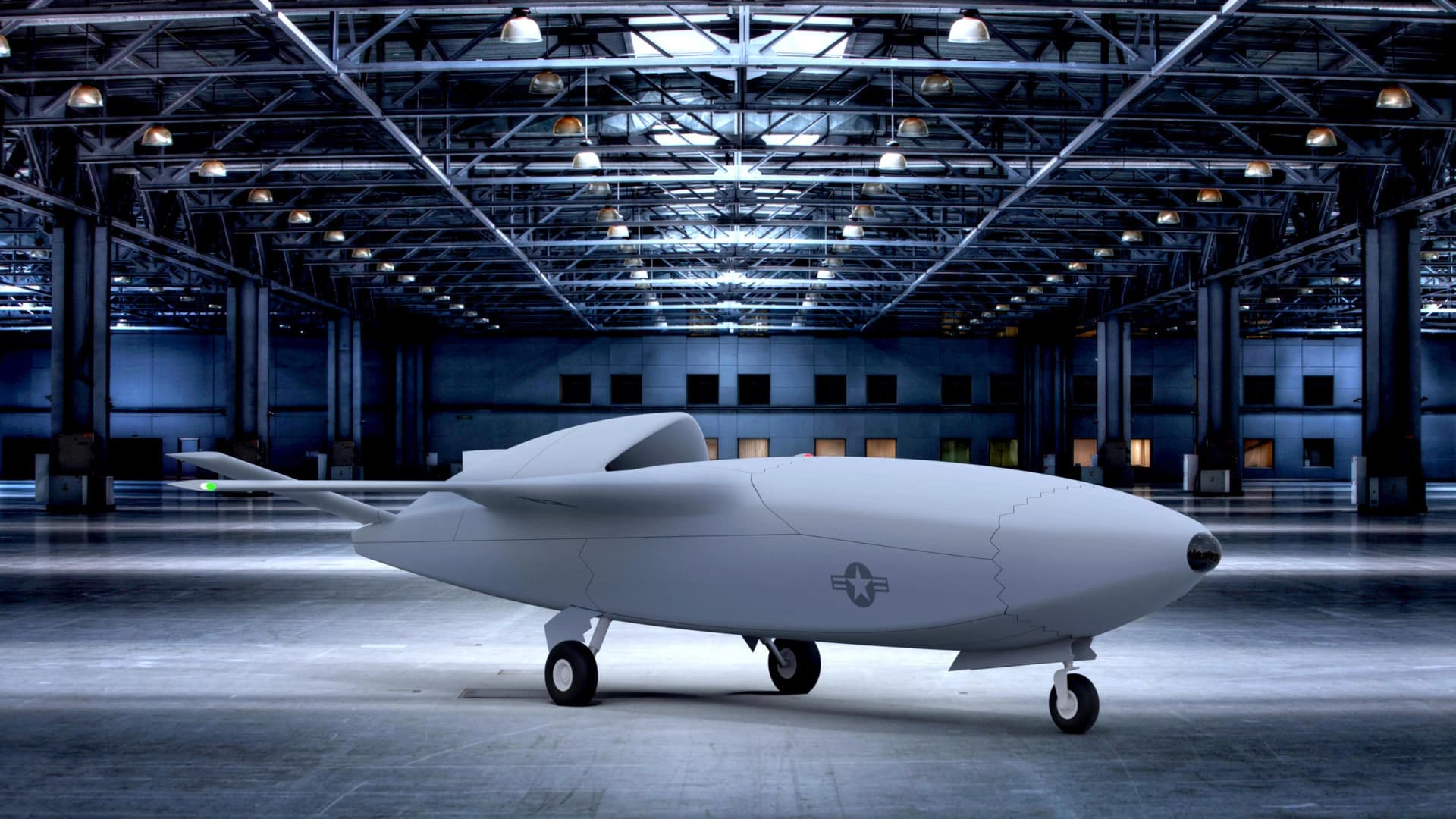
Fiber optic technology has become a fundamental part of modern aerospace systems, supporting everything from cockpit controls to advanced imaging. Aircraft depend on fast, reliable, and lightweight data transmission, and fiber optic cables provide exactly that. They are used in critical cockpit and avionics systems, enabling flight controls, navigation displays, communication interfaces, and onboard sensors to share information instantly and accurately. Fiber optics also play a key role in in-flight communication and entertainment, ensuring stable internet access, clear communication channels, and smooth media streaming for passengers.
Beyond communication, fiber optics are essential in aerospace imaging and monitoring systems. Modern aircraft rely on high-resolution cameras and sensors to observe the environment, track mechanical performance, and support automated operations. Fiber cables transmit this data with high bandwidth and minimal loss. One of the most advanced applications is in LIDAR (light detection and ranging) systems, which measure distance, speed, and terrain. These systems support safer navigation, terrain mapping, and even assist automated landing technologies, all made possible through fast and precise optical signal transmission.
Fiber optics offer several advantages in aerospace applications, including high data capacity, resistance to electromagnetic interference, lightweight construction, and reliable performance in extreme temperatures and pressures. As aircraft continue to evolve toward more connected, autonomous, and data-heavy systems, fiber optic cables will play an increasingly important role. Their ability to deliver stable, high-quality performance makes them a key component in the future of aerospace connectivity.